 St. Louis, MO &
  View Discounts
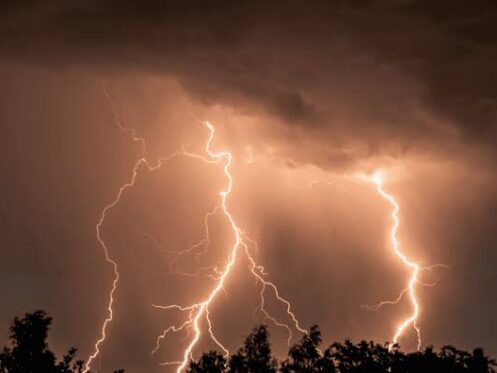
Whether you live in a single-family home in Central West End or a condo in Downtown St. Louis, heavy storms may make you question whether you should turn off your AC during a thunderstorm. The safest answer is yes. Power outages, lightning and sudden voltage changes can damage your air conditioner components, leaving you with an unexpected repair bill. We also recommend installing an HVAC surge protector, which detects power issues and sends excess electricity to the ground.
Here are a few things you can do to minimize HVAC issues during bad weather.
1. Turn Off Your AC Before a Storm Hits
Your air conditioner needs electricity to power its fan motors, compressor and other components. If lightning strikes local power lines or nearby electrical equipment, a surge can travel through your wiring and overwhelm your cooling system.
Follow these steps if a thunderstorm is approaching:
- Set your thermostat to OFF.
- Shut off the circuit breaker for your air conditioner. It may be labeled “Air Conditioner,” “AC” or “HVAC.”
- Close doors and windows to keep cooled air inside until the storm ends.
- Wait until the storm passes before using your AC again.
It’s important to take these steps before a storm begins. According to the National Weather Service, you should never unplug devices or touch electrical equipment during an active storm. If you hear thunder, avoid unplugging your AC or adjusting its settings. This advice applies to heavy storms only. It’s okay to operate your air conditioner during light rain.
2. Understand How Power Surges Damage AC Equipment
A power surge is a sudden increase in electrical voltage that can occur during thunderstorms. Lightning is a common culprit, but surges also happen due to downed power lines, utility grid changes or a sudden return of power after an outage.
Surges can damage these AC components:
- Capacitor
- Circuit boards
- Compressor
- Contactor
- Fan motors
- Thermostat
- Variable-speed motor controls
Modern air conditioners are more sophisticated than older models, so they’re particularly sensitive to voltage changes. Your AC may keep running after a small surge, only for damaged components to fail when you least expect it. If you experience a power surge, schedule a professional inspection as soon as possible.
3. Install an HVAC Surge Protector
An HVAC surge protector guards your cooling system against excess voltage. Unlike the surge protectors used for laptops and televisions, this device connects directly to your HVAC system or electrical panel. If voltage increases to an unsafe level, the protector absorbs or redirects the excess electricity, reducing the risk of damage to your AC compressor and other electrical parts.
You have two options:
- Dedicated HVAC protection: This type of surge protector is connected to your HVAC circuit or installed near your outdoor AC condenser.
- Whole-home protection: We install a protective device at your main electrical panel, protecting multiple circuits against sudden surges.
If you’re concerned about storm-related damage, you may want to use both types of devices. A whole-home surge protector can handle surges entering through the electrical service, while a dedicated HVAC device provides a second layer of protection near your cooling equipment.
Even the best surge protector can’t guarantee protection against a direct lightning strike. However, installing one of these devices can help you protect your system against power fluctuations.
4. Choose the Right Surge Protector for Your AC Unit
Not every protective device works well with HVAC equipment. You need to consider your system’s electrical configuration, manufacturer recommendations and voltage.
The most important factors include:
- Voltage compatibility: Your AC surge protector must match your cooling system’s electrical requirements.
- Response time: Fast response times provide more protection against excess voltage.
- Surge current capacity: This tells you how much current capacity a surge protector for an AC unit can divert away from your home.
- Safety certification: Safety certification indicates that a reputable organization has tested a device extensively.
- Status indicator: Look for a device with a status indicator that shows whether it’s providing protection.
- Warranty terms: Some companies offer limited warranty coverage for connected equipment, which gives you additional financial protection.
Surge protectors are durable, but they don’t last forever. If the status light goes off, you may need to replace the device.
5. Know What to Do After a Storm
Once a storm ends, wait at least 30 minutes after the last clap of thunder to approach your electrical panel or outdoor compressor. Inspect the area around the condenser before you attempt to restore power to your AC.
Watch for:
- Fallen branches
- Standing water around the outdoor unit
- Damaged refrigerant lines or wires
- Visible scorch marks
- Burning smells
- Bent fan blades or panels
- Buzzing, humming or clicking noises
If you notice flooding or visual damage, don’t restore power to your cooling system. Call Anton’s to inspect your equipment and determine whether it needs to be repaired. Otherwise, turn on the breaker and set your thermostat to COOL.
6. Troubleshoot AC Not Working After a Power Outage
Tripped breakers, blown fuses and other electrical issues can prevent a cooling system from working after a power outage. It’s also possible a surge activated the safety switch.
Follow these steps to troubleshoot your system:
- Confirm that your thermostat is working.
- Make sure your thermostat is on the right setting.
- Set the temperature below the current indoor temperature.
- Check the electrical panel. You may have a tripped circuit breaker.
- Wait for the system to restart. Many modern thermostats have a compressor protection delay, which keeps AC off for a few minutes after a power outage.
If your system still doesn’t work, call Anton’s to schedule an inspection. A licensed electrician can test your equipment and determine the best way to restore service.
Protect Your AC From Storms
Turning off the air conditioner before a thunderstorm is a simple, yet important, step that can help you avoid costly HVAC damage. However, storms can arrive unexpectedly, leaving you with no time to unplug your AC. The good news is that we can install an HVAC surge protector to help you avoid system damage. Professional installation can give you extra peace of mind when there’s a storm in the St. Louis area.


