 St. Louis, MO &
  View Discounts
Your attic is a critical part of your home’s structure, and careful ventilation is key to keeping it in good shape. If you’re dealing with moisture or heat issues, attic fan installation can help you maintain a safe temperature and prevent expensive damage. However, every home is different, so before you buy vents and fans, it’s helpful to understand how attic ventilation works.
Why Is Attic Ventilation Important?
If you don’t use your attic or it’s mainly used for storage, ventilating it might not seem like a priority. But proper attic ventilation has important benefits for your home:
- Temperature regulation: Vents and fans circulate air through your attic, which helps prevent heat buildup. Cooling the attic reduces the heat that transfers into the top floor of your home, so your air conditioner doesn’t have to work as hard to cool your house.
- Moisture management: Improving the airflow in your attic helps move water vapor outdoors, preventing condensation. Managing moisture in your attic can help reduce the risk of mold, mildew and rotting wood.
- Roof protection: Ventilation reduces the heat levels in your attic. In the winter, releasing heat helps prevent ice dams; in the summer, it helps ease the strain on your roofing.
Without ventilation, heat and moisture tend to build up in the attic. This can lead to higher energy bills, roof damage and water damage to the structure of your house.
Signs You Need Better Attic Ventilation
For an attic ventilation system to be effective, it must be designed and sized properly for your space.
You might need better ventilation if you notice:
- Extremely high attic temperatures
- Visible frost or ice indoors in the winter
- Mold, mildew or unpleasant odors
- Early wear on the roof
- Frequent ice dams
- Unusually high cooling bills
If you notice any of these issues and you already have a ventilation system in your attic, consider calling in an HVAC technician. A professional can evaluate your setup and help you find a solution that extends your roof’s lifespan and increases your home’s energy efficiency. In some cases, attic insulation may be blocking your soffit vents, reducing airflow.
Choosing an Attic Ventilation System
An attic ventilation system usually includes both intake and exhaust vents. Intake vents pull in air from outside, while exhaust vents push hot air and moisture out of the attic.
On many homes, you can put intake vents on the soffits — the undersides of the overhanging part of your roof. If your home doesn’t have soffits, you’ll need vents that can be installed on your roof.
There are a few different types of exhaust vents:
- Static vents: These vents are stationary and don’t have any moving parts. They’re installed near the top of your roof, so as hot air rises, it can flow out of the vent. This pulls cooler air into the intake vents, creating circulation and lowering the temperature in the attic. Common types include ridge vents, box vents, louvered vents and hip vents.
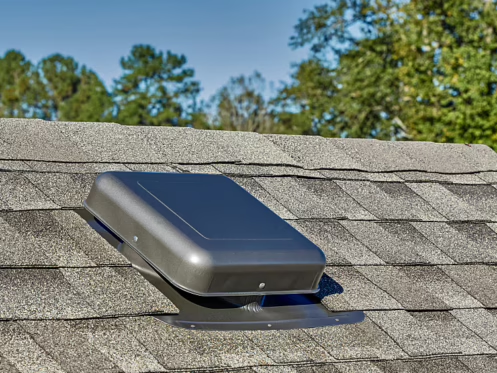
- Powered vents: These vents come with fans that force hot air out of your attic. They require an electrical connection, but you can connect them to solar panels for solar attic ventilation. You might choose an attic ventilator fan if your roof design can’t accommodate a static vent or if you live in an area with high humidity.
- Turbines: If you want to exhaust hot air quickly from your attic but don’t want a powered attic ventilation fan, you can opt for a turbine. These vents feature a cylindrical base with a rounded top that contains non-powered blades. As the wind blows, it moves the blades and creates a suction effect that pulls the air from your attic.
Balancing Intake and Exhaust
No matter what type of vents and fans you choose, it’s important to balance the air intake and exhaust. Depending on your home, you may want a slightly higher intake. A balanced design creates efficient air circulation and ensures that hot, moist air can escape the attic.
An unbalanced attic ventilation system — particularly one where the exhaust is higher than the intake — can create negative pressure in the attic. When this happens, air from your home can be pulled into the attic, throwing off your heating and cooling system and using extra energy.
Attic Fan Installation
You can install attic fans yourself if you have construction and carpentry skills, but many people choose to hire a professional. Improper installation or an unbalanced design can have expensive consequences, so if you’re new to ventilation, it’s often cheaper to hire out the job.
Attic fan installation costs can vary considerably depending on your ventilation system design and the type of home you have. A simple set of static roof vents might cost a few hundred dollars, while a whole-house fan would likely be more expensive.
Planning to get a new roof? Consider getting your attic vents installed at the same time. That way, you can integrate the vents into your new roof for a seamless look. Just make sure you’re adding enough intake vents to balance the airflow.
Who Installs Attic Fans?
Multiple professionals offer attic fan installation services, including HVAC professionals and contractors. If you choose a powered fan, you may need to hire an electrician to hardwire it into your home’s electrical system.
If you’re installing attic ventilation or upgrading an existing system, contact us at Anton’s Plumbing, Heating/Cooling & Energy Experts. With over 40 years of HVAC experience in the St. Louis area, we can help you select the system that’s right for your budget and your home.


