
 St. Louis, MO &
  View Discounts
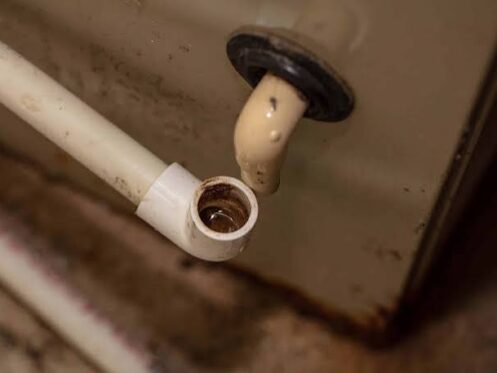
Air conditioners help keep you cool through Missouri’s muggy summers by removing both heat and moisture from indoor air. During the cooling process, condensed moisture should drain away, but clogged AC drain lines and malfunctioning parts can cause water to drip or pool around the unit. Learn the most common reasons your AC is leaking water inside and how to get your air conditioner back to peak condition.
The First Thing to Do When Your AC Is Leaking
Before investigating the problem, turn off your cooling system to stop water from accumulating and place a bucket or towels under the leak. Don’t restart the air conditioner until you’ve identified and fixed the issue, as running the system could cause more damage.
Why Is My AC Leaking Water Inside?
To pinpoint the cause of the leak, it’s helpful to understand where the water might be coming from.
Here’s a brief overview of how your AC works:
- Your indoor AC unit contains an evaporator coil filled with refrigerant, which absorbs heat from the air. Warm air from your home is drawn into the HVAC, passing over the coil.
- When humid air touches the cold coil, some moisture condenses on the surface as water droplets.
- The condensate collects in a pan beneath the coil and flows out of your home through the drain line.
If water’s leaking from inside the AC unit, something’s likely stopping the condensate from draining away, such as a clogged AC drain line. It’s also possible another component isn’t working properly, causing frost to form on the evaporator coil. The ice can cause leaks as it melts.
Clogged AC Drain Line
A clogged air conditioner drain line is one of the most common reasons water leaks from an indoor unit. The condensate line carries water away from your home, but dirt, debris, algae and mold can build up and create an obstruction. When water can’t drain properly, it can overflow from the drain pan.
Symptoms of a clogged condensate drain line include:
- Standing water in the drain pan
- Water dripping from the AC or puddling around the unit
- Musty odors from mildew growth inside the drain line
- Ice forming on your AC
- Reduced cooling performance or excess humidity in your home
- An automatic safety shut down of the system after moisture is detected
Frozen Evaporator Coil
Sometimes the evaporator coil gets too cold, and surface moisture freezes instead of draining away. As it melts, the drain pan may not be able to contain the water.
Frost on your air conditioner usually signals a problem elsewhere in the unit, such as a failing blower fan or dirty air filter. This can impact airflow, reducing the amount of warm air moving over the evaporator coil. Refrigerant leaks can also affect heat transfer and cause the temperature around the coil to drop.
Other Damaged Components
Other reasons your unit might drip water include:
- Cracked drain pans can cause water to leak instead of traveling into the drain line.
- Loose or damaged drain lines may cause water to escape instead of draining outdoors.
- Condensate pumps, used in some cooling systems, may be faulty and unable to push water into the discharge line.
Figuring Out the Cause of the AC Leak
Once you’ve turned off the air conditioner, you can try to isolate the problem. Some issues can be difficult to identify, so it’s best to have an HVAC professional inspect the system. Avoid taking components of the AC unit apart unless they’re meant to be accessed by homeowners.
Here are a few things to check if you notice leaking:
- Examine the drain line for visible blockages or standing water: You may be able to clear a minor blockage yourself, but recurring clogs should be addressed by an AC repair company.
- Check the drain pan for cracks or rust: Replace damaged pans instead of attempting to seal or patch them.
- Make sure the air filter is clean:Change filters regularly to optimize airflow through your unit.
- Look for signs of frost on the unit:To avoid damage, let ice melt naturally instead of chipping at it. You’ll need to determine why the AC froze to prevent it from happening again. Consult a professional, as only trained technicians should handle refrigerant issues.
How to Clear a Clogged AC Drain Line
Professional drain line cleaning is the best way to remove a clog safely. Licensed HVAC technicians have the expertise, cleaning solutions and tools to clear blockages efficiently. However, if you’re confident the drain system is accessible, you can try removing small obstructions yourself.
Look for the drain line, which is a small pipe or tube connected to the indoor unit. It’s located beneath the evaporator coil near the air handler and typically has a cap. The line exits your home, typically through an exterior wall near your condenser unit.
To clear the clog:
- Turn off power to your air conditioner for safety.
- Examine the drain at the outdoor opening. Loosen visible obstructions using a stiff wire brush while being careful not to push debris further into the line.
- Place a wet/dry vacuum over the opening, creating a seal with duct tape if necessary. Run the vacuum to suction the debris.
- Remove the cap at the indoor opening. Flush the line with a small amount of warm water. If the line is clear, water will drain outdoors.
- Empty standing water from the drain pan and clean any debris or mildew.
- Restart the AC and monitor the unit carefully. Recurring clogs may indicate a more serious underlying problem and lead to possible mold growth or water damage.
If the drain line is damaged or inaccessible, or the clog is too hard to reach, help is always available. An experienced AC repair company in Greater St. Louis, such as Anton’s, can safely clear the line and get your system draining properly again.
Keeping AC Leaks From Becoming Bigger Problems
Whether a leak is caused by a clogged AC drain line, frozen evaporator coil or faulty part, addressing the issue promptly can help prevent further damage. Anton’s friendly, knowledgeable team can quickly repair a leaking air conditioner and get your system running reliably again.
And don’t forget the benefits of preventative maintenance to keep your HVAC working smoothly. Regular seasonal tune-ups help catch potential issues before they lead to breakdowns, helping to keep your Missouri home comfortable year-round.


