
 St. Louis, MO &
  View Discounts
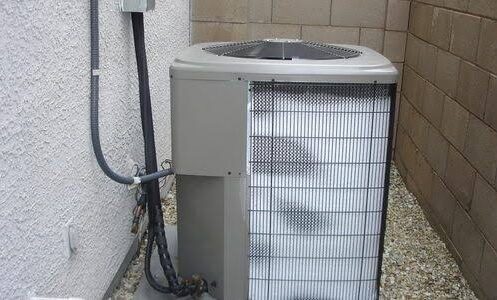
Ice can be a refreshing way to cool off during sticky Missouri summers, but not if it’s coating your air conditioner. An AC that’s freezing up may be caused by dirty air filters, faulty AC motors or refrigerant leaks, and can bring your cooling system to a halt. Before your home gets too hot, let’s explore what’s happening with your frozen AC and how to get it running again.
Why Ice in an Air Conditioner Is a Warning Sign
Ice buildup on an AC usually begins on the evaporator coil inside your indoor unit. It can spread to the metal housing around the coil and the refrigerant lines connecting the indoor and outdoor units.
The ice isn’t the reason your AC isn’t working; it’s a sign that something’s wrong with the cooling process. Finding and fixing the cause is important for preventing strain or damage to your HVAC system.
Common Reasons Your AC Is Freezing Up
An air conditioner needs to do two things to get your home to a comfortable temperature: extract heat from indoor air and move air around efficiently. When either of these processes is disrupted, the temperature inside the evaporator coil can drop, causing moisture to freeze.
Refrigerant Leaks
Your AC uses refrigerant to transfer heat. This cooling agent alternates between liquid and gas, running between the evaporator coil, where it extracts heat from the air, and the outdoor condenser unit, where it releases heat. Your AC shouldn’t run out of refrigerant if it’s operating normally because the system is a closed loop that cycles the refrigerant back and forth.
These leaks are a problem because without enough refrigerant, an AC will struggle to absorb heat and release it outside your home. Worn-out parts, faulty components and improper installation can cause cracks or openings where refrigerants can escape. If the evaporator coil can’t draw enough heat from the air, it can get too cold, causing frost to form.
Obstructed Airflow
To help keep your home comfortable during St. Louis heat waves, your AC must pull in warm indoor air. The blower fan directs the air through the HVAC filter, which traps dust and particles, and over the evaporator coil. Once heat is transferred to the refrigerant, the blower circulates the cooled air through the supply vents and into your home.
Obstructed airflow is a problem because air needs to flow freely to reach the evaporator. If the blower motor isn’t working properly or the air filter is clogged, there won’t be enough warm air flowing to the coil, reducing heat transfer. Moisture from indoor humidity that normally condenses on the coil and collects in your AC’s drain pan may instead freeze on the surface.
Dirty Evaporator Coil
The evaporator coil is a series of tubes that hold the cooling agent. Made of metal to facilitate heat transfer, the coil needs to be clean and in good condition to do its job. Grime, oil and dust can build up on the surface, especially if you don’t replace your HVAC filters regularly.
Dirty evaporator coils are a problem because even a slight coating of dirt can impede airflow over the coils and create a barrier between the warm air and the refrigerant. It may cause your AC to work harder than it should. HVAC technicians can clean coils during seasonal AC tune-ups to ensure your air conditioner is ready to handle the summer heat.
Signs Your AC Unit Froze Up
Because ice forms when there’s a problem elsewhere in your AC, you might notice performance issues before you see frost.
You can get ahead of a frozen AC early by calling an HVAC professional if:
- Air coming from the vents is weaker or cooler than usual
- The AC unit runs continuously or turns off and on frequently
- Water drips or puddles around the unit as ice melts and refreezes
- Energy bills are higher than normal because your AC is working too hard
What to Do if Your AC Is Freezing Up
If your AC unit is freezing outside or around the indoor air handler, defrost it by turning the system off. Chipping at the ice can damage sensitive parts and make things worse. Next, check whether the air filter is clogged and replace it if necessary. Once the ice has melted, you can restart the AC, but monitor it carefully to see if any problems recur.
Issues related to a faulty blower, a refrigerant leak, dirty coils or mechanical problems need professional attention. Anton’s licensed, trained AC repair experts can quickly diagnose and fix a frozen AC. Serving Greater St. Louis, our knowledgeable technicians arrive with well-stocked trucks and often have the parts to fix most issues immediately, quickly getting your home cool and comfortable once again.


