
 St. Louis, MO &
  View Discounts
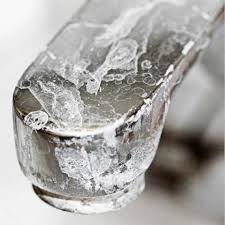
If you’ve ever spent an hour scrubbing your bathtub faucet only to see white spots appear as soon as it dries, you may have hard water. Hard water is common throughout the United States, especially in the Midwest. Keep reading to find out what counts as hard vs. soft water and what you can do if you’re dealing with mineral buildup and plumbing issues.
What Is Hard Water?
Hard water has a high concentration of minerals. The minerals present can change depending on the geographic area and whether it’s city or well water, but the most common are calcium and magnesium. According to the U.S. Geological Survey, water is classified as moderately hard at 61-120 mg/L as calcium carbonate, hard at 121-180 mg/L and very hard at more than 180 mg/L.
In St. Louis, Missouri, the average hardness level detected in 2024 was 135 mg/L, with a testing range of 90-216 mg/L. This means that most people in St. Louis have moderately hard to very hard water.
Is Hard Water Bad for You?
Hard water is still safe to drink, and it’s not known to cause any health problems. In fact, the Environmental Protection Agency doesn’t even require cities to monitor it. However, some people notice their hair and skin are dry or itchy if they have hot water.
While hard water isn’t bad for you, it’s generally bad for your plumbing. Hard water can lead to mineral and limescale buildup, which can eventually lead to corrosion of the pipes or even clogs if the buildup restricts water flow. Hard water can also damage your household appliances, especially those that use hot water. Heating up water causes it to evaporate, leaving the minerals behind. This leads to a higher concentration of minerals in the water, increasing the overall hardness and the risk of plumbing issues. Problems with your water heater are especially common, and hearing a popping or banging noise from the tank after taking a shower or a bath is a red flag.
How Can You Tell If You Have Hard Water?
One of the most common signs that you have hard water is a white, chalky film on your plumbing fixtures, such as a faucet or showerhead. These mineral deposits are often difficult to remove and may return despite frequent cleaning. Other signs that could indicate hard water are:
- Cloudy or rough spots on your dishes after washing them, especially in the dishwasher
- Difficulty getting soaps and shampoos to lather well
- Skin that feels dry or looks dull after being exposed to water
- Low water pressure due to mineral buildup
Using a water hardness test kit is the best way to determine whether you have hard water and how hard it is.
What Should You Do If You Have Hard Water?
Installing a water softener system is the best way to handle hard water. These systems remove excess minerals from the water, which reduces buildup and protects your pipes. It can also help with other concerns, such as dry skin and hair.
If a test determines you have hard water or you notice a lot of buildup on your fixtures or appliances, contact us today. We can help you determine if you need a hard water softener system and what you can do to protect your plumbing.


