
 St. Louis, MO &
  View Discounts
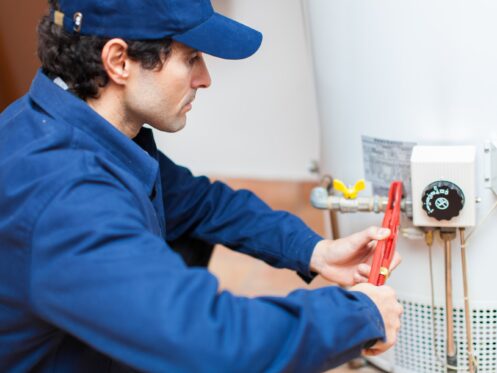
A reliable hot water supply keeps your mornings on track and your showers comfortable. When your water heater starts to falter, small annoyances such as odd noises or lukewarm bursts can quickly spiral into full shutdowns and flooded floors. Spotting trouble before it strikes takes close attention to temperature swings, odd sounds, and visual clues around your tank. At Anton's Plumbing, Heating/Cooling & Energy Experts, in St. Louis, MO, we help homeowners catch these warning signs early so you avoid chilly surprises and emergency service calls.
Unusual Noises from the Tank
When your water heater emits popping or rumbling sounds, it means sediment has settled to the bottom of the tank, causing the heater to heat unevenly. Each time the burner fires up, trapped mineral deposits heat, crack, and collapse, creating that popcorn-like chatter. You might also hear metallic clanks if internal components shift against each other.
If you catch those first few pops, ask a technician to flush the tank. They’ll use professional-grade equipment to remove scale and prevent rust from forming beneath hardened layers. Without this service, the sediment will continue to build, reducing the tank’s capacity and causing more aggressive noises that signal impending failure.
Temperature Fluctuations and Lukewarm Showers
A reliable water heater holds a steady temperature but starts to falter when its heating elements weaken or burn out. If you set your thermostat to one setting and find water swinging between scalding and chilly, the cause might lie in failing thermostats or corroded heating coils.
Single-element electric heaters sometimes leave half the tank cold, while gas units may struggle to sustain a pilot light under drafty conditions. When you notice these swings, have a professional test each component’s resistance and replace any part that reads below the manufacturer’s specifications. Swapping out worn elements or controls restores consistent warmth and prevents abrupt cold spells when you need hot water most.
Leaks and Corrosion Around the Base
Spotting a small puddle near your water heater or rust spots on the tank’s exterior means metal is eroding from inside. Over years of heating cycles, steel walls thin, and seams weaken until a hairline fracture appears. Rather than patching a corroded seam with a quick fix, schedule a plumber to evaluate the tank’s integrity.
Technicians check pressure-relief valve operation and inspect weld joints for additional thinning. If the leak stems from a failing valve or loose fitting, they’ll tighten or replace that part. When corrosion has compromised large areas, the safest move is a full tank replacement. That choice prevents an unexpected flood that could damage floors, drywall, and belongings.
Spiking Energy Bills
Your utility bills offer a clear measure of your water heater’s efficiency. When you see a sudden increase in electricity or gas costs without a change in usage habits, the tank’s insulation or burner efficiency may have declined. Aging units lose insulation thickness, forcing more heat out through the metal shell.
A pro can perform a heat-loss test, measuring temperature differences between the tank’s interior and outer surface. If heat escapes too quickly, they’ll recommend wrapping the tank in a specialized insulating blanket and servicing burner tubes or heat exchangers. Those steps slow heat loss and reduce the number of cycles needed to maintain temperature, cutting back on wasted energy and utility costs.
Pilot Light or Ignition Troubles
Gas-fired heaters rely on reliable ignition systems to spark the burner safely. If the pilot light flickers out or the electronic ignition fails, your tank will refuse to heat. Sediment buildup around the burner can obstruct gas flow, or a faulty thermocouple may misread the flame and shut off fuel supply. When you spot a yellow-tinged pilot flame rather than a steady blue, carbon buildup is present on the thermocouple.
Technicians dismantle the burner assembly, clean or replace the thermocouple, and recalibrate the gas pressure for stable ignition. Electric ignition systems receive similar attention: wires, control boards, and sensors get tested to restore flawless start-up and avoid repeated ignition attempts that shorten component life.
Impact of Water Quality on Heater Health
Your water chemistry affects how long a heater lasts and how often it hiccups. Hard water carries dissolved minerals that settle at the bottom of the tank, insulating heating elements from direct contact with water. Over time, that mineral crust forces the heater to work harder and causes those popping sounds you may hear. A technician will test your water hardness and recommend installing a water softener or an anti-scale device ahead of the heater’s inlet.
They also inspect the sacrificial anode rod, a steel core wrapped in magnesium or aluminum, because its corrosion protects the tank walls. If the rod has eroded down to one-quarter of its original diameter, replacing it with a fresh anode boosts your heater’s resistance to rust.
Aging Tank and Manufacturer Lifespan
Most water heaters last between eight and fifteen years before corrosion and wear claim them. If your model has reached this lifespan, small faults suddenly escalate into major failures. A professional inspection at this stage often reveals thinning tank walls, degraded anode rods, and outdated safety controls. Instead of patching a unit near retirement, consider upgrading to a modern, high-efficiency model.
New tanks feature corrosion-resistant liners, stronger anode rods, and digital thermostats for precise temperature control. Although replacement involves upfront cost, you eliminate the risk of mid-winter breakdowns and emergency fees. Planning ensures you have reliable hot water without scrambling for a last-minute install.
Safety Risks and Preventive Steps
Malfunctioning water heaters pose more than inconvenience; they can leak gas, produce carbon monoxide, or even build up dangerous pressure. When relief valves stick or water pools under the tank, the risk of explosion or scalding rises. A trained technician checks each safety device, measures carbon monoxide at combustion air intakes, and verifies that venting paths are clear of obstructions.
For electric models, ground-fault protection and wiring integrity receive careful review to avoid shocks or electrical fires. Installing a remote leak sensor under the tank adds an extra layer of security, notifying you immediately when moisture appears. Those preventive measures protect your family and property from hazards that start with minor system wear.
Next Steps When You Spot Trouble
Once you recognize any of these warning signs, call a qualified plumber for a comprehensive inspection. They’ll conduct diagnostic tests, including sediment-level measurement and heating-element resistance checks. Following the assessment, you’ll receive a detailed report outlining repair options or replacement recommendations.
If water heater repairs make sense, schedule appointments during off-peak hours to avoid weekend surcharges. When replacement is the better option, the technician coordinates tank sizing, fuel selection, and venting adjustments so your new water heater integrates seamlessly with existing plumbing and electrical systems.
Take Action Before Complete Breakdown
If you notice rusty water staining your fixtures or sediment rumbling inside the tank, it’s time to call in a pro. We offer water heater inspections, pressure-relief valve testing, and tank replacements to keep your hot water flowing. From flush-and-clean services that extend tank life to installing high-efficiency water heaters that cut energy costs, our team has you covered. Don’t wait for the cold water to hit; call Anton's Plumbing, Heating/Cooling & Energy Experts today to schedule your water heater checkup.