 St. Louis, MO &
  View Discounts
You go to flush the toilet, and instead of the water going down, it starts gurgling and coming up. It’s a scary moment, and it’s one most homeowners hope to never encounter. Many of these plumbing problems start small and out of sight, and you may not be aware that there has been a slow building issue until it’s a major problem.
But when you do have a sewer issue, chances are the plumber will use your drain cleanout as the first step in figuring out what’s wrong.
What Is a Drain Cleanout?
Your drain cleanout, sometimes also called a sewer line cleanout, is the main point of access for your sewer line. It connects your home’s plumbing to the main sewer system, which makes it a convenient place for plumbers to service your line.
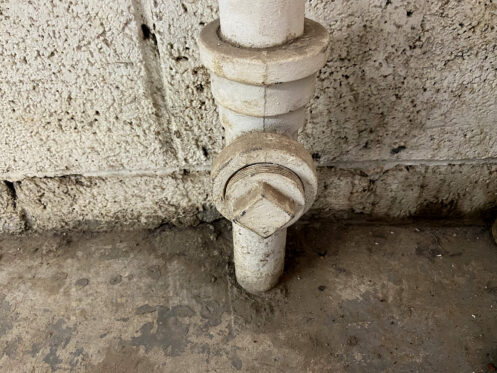
It’s usually in the basement or near the exterior of your house, and it provides plumbers with an easy way to clear blockages or scope your sewer line to diagnose potential issues. A drain cleanout looks like a large pipe that has a cap on it, often with a square in the middle. This allows the plumber to easily open the cap with the proper tool. Depending on the age of your home, the line may be cast iron, copper or plastic.
Where to Find Your Drain Cleanout
In most homes in Missouri, the sewer cleanout is located in the basement, often near the main drain, or a utility room if you don’t have a basement drain cleanout. It can also be located outside, generally near the foundation on an exterior wall or in the yard.
If you don’t see a plumbing cleanout in your basement or utility room, look outside where the main sewer line should connect to the house. Sometimes, the drain cleanout cover may be overgrown with grass or weeds, and it can help to take a thin metal rod and probe the dirt to see if you can hit something solid that may be the cleanout.
If you can’t find your plumbing cleanout or think you don’t have one, which is a possibility in older homes, contact a plumber for an inspection. Some plumbers have special tools that help them locate and trace sewer lines, which can make it easier to find an outside drain cleanout plug.
Why Is the Drain Cleanout So Important?
The main drain cleanout is one of those things that you don’t think much about, or even know where it’s at, until there’s an issue. But when you do have a major sewer backup or need to snake or hydrojet your lines, it makes it a much easier and more efficient process. When you have a floor drain cleanout, a plumber can access your main line through it instead of having to go through indoor points, such as a toilet or indoor drain, which can be much messier.
Drain cleanouts also make it easier to stay on top of preventative drain and sewer maintenance. Access to a drain cleanout means a plumber can perform routine cleaning and camera inspections, which can help you identify potential issues, such as aging pipes or tree root intrusion, before they become a major clog.
Signs Your Drain Isn’t Working as It Should
It’s easy to miss small changes in how your drains and plumbing lines are acting, but catching problems early can help prevent larger disruptions. Below are some of the common issues you may notice that indicate a brewing or imminent problem with your sewer line.
Water Backing Up
The most obvious sign that you have a blockage that could require accessing your drain cleanout is water backing up in your toilets or drains. Water coming out of more than one drain, especially those closest to the ground, such as in the basement or the lower level, can indicate that there’s an issue with the main line. You may also notice a problem after an increase in usage, such as if you have family visiting and flushing the toilet or using the shower more, or after a heavy rainstorm.
Drains Moving Slowly
A slow drain is an early warning sign that something isn’t quite right. Your drain should be able to handle the normal water flow for that area, whether it’s a shower or a sink, without backing up. While one slow drain may indicate a minor clog in that system, multiple slow drains point to a larger issue and require a professional for troubleshooting and repairs.
Hearing Gurgling in the Pipes
When a pipe is partially blocked, you may hear a gurgling sound when water runs down or you flush a toilet. This is mostly commonly heard in toilets and sinks and is due to air trapped in the pipe by the blockage. You may also notice a sewer smell that indicates that sewer gases are coming back up the pipe.


