
 St. Louis, MO &
  View Discounts
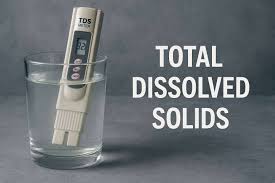
You may be getting more than water when you turn on your tap. That’s why local water is tested and treated for contaminants before it gets to your home or business. Total dissolved solids is one of the measures used to monitor water quality. Here’s what you need to know about TDS in water.
What Are Total Dissolved Solids?
Total dissolved solids is a measure of the concentration of minerals, metals, salts and other substances in water. It’s reported as milligrams per liter (mg/L) or parts per million (ppm).
Many of these solids occur naturally as water comes into contact with rocks and soil. These solids include:
- Calcium
- Magnesium
- Sodium
- Potassium
- Sulfates
- Carbonates
- Nitrate
- Chlorides
TDS also measures dissolved solids from human activity. Fertilizers, detergents, road salt, pharmaceuticals and industrial waste are some of the substances that flow into water.
Many factors can impact TDS levels. For example, in hot, dry areas, there’s less precipitation and more evaporation. TDS levels tend to be higher because there’s not as much water to dilute the dissolved solids. Geology also affects the quantity of present minerals.
Monitoring TDS in Water
The Environmental Protection Agency regulates drinking water quality in the United States, limiting the level of more than 90 contaminants. TDS is considered a secondary drinking water regulation, meaning the EPA recommends acceptable limits for total dissolved solids but doesn’t enforce them. According to the EPA, a good TDS level in drinking water is less than 500 mg/L.
In St. Louis, drinking water is sourced from the Mississippi and Missouri rivers. The City of St. Louis Water Division tests for over 150 contaminants as water enters treatment plants and moves throughout the city. You can read the city’s Annual Consumer Confidence Water Reports to see the results of TDS testing for water. In 2024, the average level of TDS was 320 ppm, with a range of 234-435 ppm, below the EPA threshold.
You can also conduct home tests using a total dissolved solids meter. This handheld device gives you a TDS reading in parts per million but doesn’t break down the specific solids in the water.
How Does TDS Affect Water Quality?
High concentrations of total dissolved solids can be a concern to home and business owners, creating hard water. You might notice limescale buildup in pipes, plumbing fixtures and small appliances. High TDS levels can cause corrosion and shorten the lifespan of equipment, leading you to replace your water heater or boiler sooner.
In terms of effects on humans, the World Health Organization says there’s no reliable data linking health problems to TDS levels in drinking water. However, high TDS levels could indicate the presence of certain harmful contaminants such as arsenic or bromide. Utility companies test separately for these substances to comply with EPA guidelines.
The level of salt and minerals in water can impact the taste. Water with low concentrations of TDS can taste flat, and high levels may taste too salty. Water with a TDS level between 300 and 600 mg/L usually tastes good to most people.
Removing Total Dissolved Solids From Water
Reverse osmosis is the most effective way to remove dissolved solids from water. If you’re concerned about TDS levels, consider installing water treatment systems in your home or business to filter the water before use.


