
 St. Louis, MO &
  View Discounts
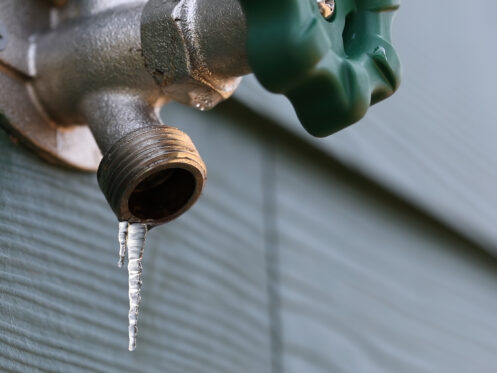
Cold snaps in St. Louis aren’t just a mild nuisance; they can leave you with a burst pipe and a flooded basement. Taking action now prevents that headache. You’ll want to inspect vulnerable plumbing runs, check insulation levels, and consider emergency support before the mercury drops.
Why St. Louis Winters Threaten Your Pipes
Even though St. Louis winters can swing from mild to frigid in a single night, your plumbing feels every degree drop. When the temperature dips below 32 degrees Fahrenheit, water within pipes cools and turns to ice. That solid ice expands about 10%, putting pressure on joints and seams until a crack appears. Homes in this region often face sudden cold fronts following damp conditions or clear skies that radiate away heat after sunset.
Pipes set against uninsulated exterior walls, within crawlspaces, or alongside garage perimeters chill fastest, since they lose warmth to the outside air. Once ice forms in one section, flowing water backs up behind the blockage, leaving that trapped volume primed to burst when the next thaw arrives. Detecting those critical freeze points and reinforcing them now spares you from emergency calls for burst-pipe repairs and water damage cleanup when winter really sets in.
Spotting Vulnerable Plumbing Runs
Before frost settles in, a professional inspection unveils the hidden routes where pipes face the greatest risk. A licensed plumber examines every length of copper or PVC that runs outside the home’s heated envelope, under kitchen cabinets that share an exterior wall, through an unfinished basement ceiling, and inside bare garage rafters. Infrared cameras expose cold spots behind insulation, while moisture meters detect damp areas prone to condensation freeze. That detailed mapping also reveals low-hanging vents and stray irrigation lines that vanish into patio spaces.
With this blueprint in hand, the plumber marks each section with temperature-resistant tape so future checks focus exactly where extra protection pays off. You then work with the plumber to decide which lines need heat-tracing cables, which require thicker insulation sleeves, and where rerouting might eliminate repeat freeze events. That level of diligence keeps every critical water path safe when overnight lows plunge into the 20s.
Professional Insulation and Heat-Tracing Installation
When professionals handle your winter prep, they bring industry-grade materials and tested methods to wrap each vulnerable pipe. Foam insulation sleeves rated for wet locations slide easily over straight runs, while preformed corner pieces and specialty tape seal gaps around bends and fittings. Then a plumber installs electric heat-tracing cables along the most at-risk segments, inside crawlspaces or on exterior walls that come with built-in thermostats. Those cables deliver just enough warmth to prevent ice from forming but switch off once ambient temperature rises above a safe threshold.
Plumbers secure cables with nonconductive clips and cover them with high-temperature Scotch tape for extra abrasion resistance. After that, every heat-trace section receives a weatherproof junction box and a safety disconnect so that the system complies with code requirements. A final system test simulates a freeze event by chilling a sample pipe and verifying that the heater cable responds immediately. That proven approach keeps your water flowing when winter’s grip tightens.
Preparing Outdoor and Crawlspace Lines
Outdoor spigots, irrigation shutoffs, and crawlspace drains often slip under the radar until they crack open one icy morning. A certified plumber locates each outdoor fixture’s interior shutoff valve, confirms it seals under pressure, and then tests the sillcock or hose bib itself. Frost-free spigots get a performance check to make sure their head retracts fully inside after each use.
Crawlspace water lines receive special attention, since sweeping cold air can funnel beneath homes. The plumber installs a sealed access panel and positions a low-wattage crawlspace heater on a locking thermostat to maintain the air above the critical freeze point. Finally, plumbers check that foundation vents close automatically or manually before frost arrives. With those measures in place, no outdoor stub-out or concealed crawlspace line stands unprotected when January nights threaten to freeze your plumbing.
Monitoring and Emergency Response Plans
Even the best-prepared system still needs active monitoring when arctic air moves in. Professional leak-detection devices connect to your water main and send alerts at the first sign of a sudden drop in line pressure. Moisture sensors placed near the water heater, under sinks, and by washing machines send notifications before a hidden drip turns into a flood. A 24/7 emergency hotline with a local plumbing service ensures you can summon help at any hour.
When an ice blockage forms despite heat tracing, a plumber brings industrial pipe thawing equipment to clear the obstruction safely. If a section fails, the plumber clamps a repair sleeve over the breach, restoring service in minutes rather than hours. After the event, the team reviews the failure point, upgrades insulation or heat tracing as needed, and adjusts system settings so you never repeat the emergency. That fast reaction and follow-up repair keep your winter plumbing disasters to a minimum.
Seasonal Maintenance Agreements for Ongoing Protection
Once you’ve fortified your home against this winter’s chill, consider a service plan that brings a plumber back twice a year. A spring inspection catches any damage from the prior freeze or thaw cycles and clears blockages in drain lines before summer heat arrives. In the fall, the plumber revalidates every insulation sleeve, rechecks heat-tracing circuits, and updates control setpoints for the approaching cold season.
Those scheduled visits include testing emergency shutoff valves under load and verifying sensor batteries are fresh. If your home’s layout changes, new landscaping, an added deck, or a reconfigured laundry room, the service team updates its plumbing map to account for altered runs. That rhythm of proactive care means you invest once in freeze protection and reap benefits for years, avoiding surprise repair bills when the next cold spell hits.
Choosing the Right Plumbing Partner
When selecting a winter-prep specialist, look for a licensed plumber with a track record in frozen-pipe prevention. Ask about past projects in your neighborhood. If they’ve handled St. Louis’s worst cold snaps, they’ve built systems that last. Verify they carry the proper bonding and liability coverage so you’re protected in every scenario. Your plumber should provide a clear scope of work, itemizing insulation materials, heat-tracing cable lengths, and labor hours in writing before any work begins.
A reputable company stands by its installations with a service warranty; if a protected line freezes, they return at no extra charge. With that level of professionalism and accountability, you can leave winter’s plumbing risks to the experts and focus on the joys of the season, confident your water lines will stay clear and ready whenever you need them.
Lock in Your Winter Plumbing Security
When you’ve wrapped exposed lines, verified shutoff valves, and booked a professional pipe-heating cable install, you’ll host chilly-weather gatherings without dread of leaks or ice blockages. Anton's Plumbing, Heating/Cooling & Energy Experts in St. Louis also offers emergency pipe repair and routine maintenance plans to keep your system reliable year after year.
Ready to take the worry out of winter plumbing? Call Anton's Plumbing, Heating/Cooling & Energy Experts today, and schedule your freeze-protection service.