
 St. Louis, MO &
  View Discounts
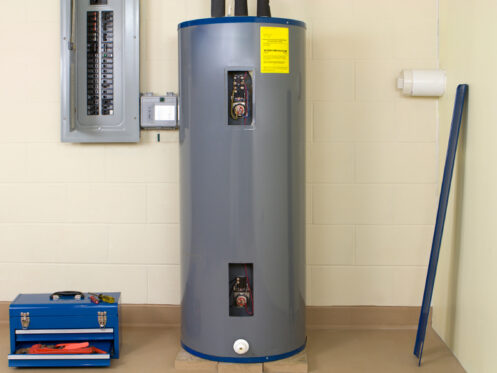
When winter hits, your water heater can feel like it suddenly got smaller, even if nothing is wrong. Showers run lukewarm sooner, the sink takes longer to warm up, and back-to-back use feels harder to pull off. Colder incoming water, longer hot water runs, and performance issues you did not notice in the fall can all stack up and create that low-hot-water feeling. At Anton's Plumbing, Heating/Cooling & Energy Experts, we help homeowners in the St. Louis area identify why winter demand exposes weak points and what a professional inspection can confirm before you end up without hot water.
Cold Inlet Water Shrinks Your Usable Hot Water Fast
In winter, the water entering your home starts colder, and your water heater has to do more work just to reach the same shower setting you use year-round. That extra lift changes the math inside a tank. A forty or fifty-gallon tank does not hold “forty gallons of shower-ready water.” It holds a mix, and you rely on blending hot with cold at the faucet. When the incoming cold water is colder, you need a higher share of hot water to reach a comfortable shower setting. That makes your hot water supply feel smaller, even if the tank size never changed.
You notice this most during back-to-back use. The first shower feels fine. The second shower goes lukewarm sooner than it did in the fall. You may also notice the kitchen tap takes longer to reach a steady hot feel because the whole line starts out colder. None of this proves that something is broken. It shows why winter exposes limits that stayed hidden during mild months.
Sediment & Scale Steal Heating Power When Winter Hits
Minerals in water settle at the bottom of a tank and form a layer that acts like a barrier between the burner or element and the water you want to heat. In warmer months, you might not notice. In winter, that lost heat transfer shows up fast because your heater starts behind the colder inlet water. Sediment can also create popping or rumbling sounds as water heats under the buildup and releases trapped steam pockets. The noise is not the main issue. The bigger problem is that the heater spends energy heating the wrong place, then struggles to move that heat into the full tank.
On electric units, scale can also coat heating elements. The element still turns on, yet it does not deliver heat as cleanly into the water. On gas units, a dirty burner or restricted combustion air can reduce output, too. These problems are not a DIY project, as they involve safe fuel handling, proper flushing methods when appropriate, and checks that confirm the heater can vent and operate safely. A plumber can perform professional water heater maintenance and tell you whether sediment is a likely driver, whether a flush makes sense for your unit’s age and condition, and what other parts need attention during winter demand.
Thermostats, Dip Tubes & Mixing Valves Can Create Lukewarm Water
Not all winter hot water complaints come from “not enough capacity.” Sometimes the heater is making heat, yet the water arriving at the faucet feels weaker because of a control or distribution problem. A thermostat that drifts can heat the tank to a lower level than you expect. On electric units, a failed upper or lower element can cut usable hot water in half, so you get one decent shower, then a sudden drop. Gas heaters can have control issues that cause uneven heating cycles, which can feel like random lukewarm stretches.
Dip tubes matter too. The dip tube sends cold inlet water to the bottom of the tank, so it does not mix quickly with the hottest water at the top. If the dip tube cracks or breaks down, cold water can mix higher in the tank and cool the hot layer faster. You get a shorter hot run even though the heater is still operating. Some homes also have a thermostatic mixing valve that blends hot and cold to limit scald risk. If that valve fails or sticks, it can deliver lukewarm water across the home. A professional can test these parts and confirm whether your problem is heat production, mixing, or temperature control.
Long Pipe Runs & Cold Spaces Add Lag & Waste
In winter, your plumbing lines lose more heat on the way to the tap, especially if they run through a garage, crawlspace, attic edge, or exterior wall cavity. That loss shows up as longer waits for hot water and more water down the drain while you wait. You may think your water heater is weaker, yet the issue is that the line holds a bigger volume of cooled water that has to clear before hot water arrives. If you have a far bathroom, you might notice the hot water arrives, then fades quickly once you start a shower. That can happen when the line cools the first hot water slug, and you keep drawing while the heater is trying to recover.
Cold cabinets can add to this, too. A sink base on an exterior wall can chill the shutoff, the supply tubes, and the trap area, which makes the first minute feel colder than it should. If you have spotty results at only one fixture, that points toward a local run problem rather than a whole-house heater problem. A plumber can trace the piping path, look for exposure points, and suggest targeted corrections that reduce heat loss and cut the “wait and waste” pattern that winter makes worse.
Tankless Systems Struggle in Winter for Different Reasons
If you have a tankless water heater, winter changes the experience in its own way. Tankless units have to raise colder inlet water to your set outlet temperature while also meeting your flow demand. If you open multiple fixtures at once, the unit may throttle flow to maintain outlet temperature, or it may deliver cooler water if the demand exceeds capacity. You may notice this as a shower that feels fine until someone runs a second shower or starts the washing machine. You may also see temperature swings if the unit is close to its minimum activation flow and the faucet gets adjusted during use.
Winter also exposes venting and combustion issues on tankless units because they run longer during high demand. A unit with restricted airflow, vent problems, or scale in the heat exchanger can lose performance right when you need it most. If your hot water feels weaker only during cold spells, a professional can check inlet readings, confirm combustion and venting, test output, and evaluate scale conditions. This avoids random setting changes that make results harder to predict.
Bring Back Reliable Hot Water Before Winter Gets Worse
When hot water starts fading in winter, a professional visit from Anton's Plumbing, Heating/Cooling & Energy Experts can confirm whether the issue is capacity, recovery speed, sediment buildup, thermostat control, or a failing component that needs repair. We help with water heater repairs, including flushing services when appropriate, thermostat and heating element checks, gas control and burner diagnostics, leak detection, and water heater replacement planning when your unit is near the end of its lifespan.
Schedule a winter water heater check with Anton's Plumbing, Heating/Cooling & Energy Experts today and get your hot water back to steady, usable comfort.