
 St. Louis, MO &
  View Discounts
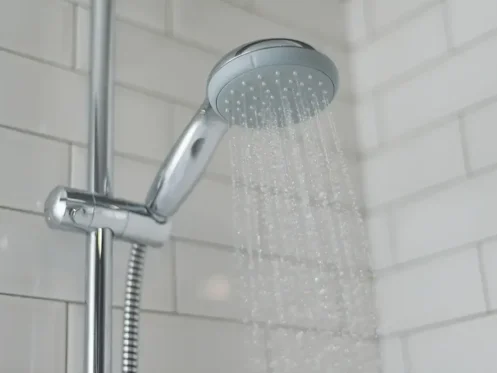
If you’re looking for how to improve water pressure in your house, we can help. Weak water flow makes simple tasks such as showering or washing dishes a pain.
As a rule of thumb, home water pressure should stay between 40 and 80 pounds per square inch (psi). If your pressure drops below 40 psi, it’s a good idea to check your plumbing system for issues.
Here’s how to increase the water pressure in your home.
1. Test the Water Pressure
The first step is to test your current levels with a water pressure gauge. You can pick one of these up at most local hardware stores.
To get an accurate reading:
- Turn off every faucet and water-using appliance inside and outside your home.
- Hook the gauge up to an outdoor hose spigot or a basement utility sink.
- Open the faucet all the way to see where the needle lands.
If the gauge reads under 40 psi, you have low pressure. If it’s above 80 psi, that’s too high and might damage your pipes.
2. Adjust Your Pressure Regulator
Most homes have a device called a home water pressure regulator. It sits on your main water line and controls how fast water enters your home from the municipal supply. It usually looks like a bell-shaped valve.
If this part is old or needs calibration, it can slow your water flow. To adjust the water pressure regulator:
- Find the screw or bolt on top of the regulator.
- Loosen the lock nut so you can turn the screw.
- Turn the screw clockwise to boost the pressure.
- Check the gauge after every small turn to make sure you don’t go too high.
3. Check for Leaks
A sudden drop in house water pressure might mean water is escaping from somewhere it shouldn’t. Even a tiny crack in a pipe diverts water and lowers the flow at your shower or sink. Leaks also waste money and can damage your home’s structure.
Take a look around your house for wet spots on floors, ceilings or drywall. It’s also smart to listen for running water when all your taps are off.
4. Clean Your Fixtures
If you’re asking, “Why is my water pressure low in just one room?” The answer is usually mineral buildup. To clean hard water deposits that clog up showerheads and faucet aerators:
- Unscrew the aerator or remove the showerhead.
- Soak the parts in white vinegar for a few hours.
- Scrub off any leftover gunk with a small brush.
- Screw them back on and test the flow.
5. Install a Pressure Booster
Your municipal water supply might be the cause. In this case, the best way to approach how to increase water pressure in your house is with a booster pump, which connects to your main water line and increases the force of the water entering your home. It’s a great long-term solution if your neighborhood just has low pressure. Just be aware that the EPA says keeping your system efficient and leak-free is vital before adding new equipment.
How to Increase Water Pressure in Your House
You can solve many common problems by testing the system, adjusting the regulator or cleaning fixtures. However, some situations require a more robust solution like a booster pump. Don’t hesitate to contact a professional if you need help fixing the water pressure at home.