 St. Louis, MO &
  View Discounts
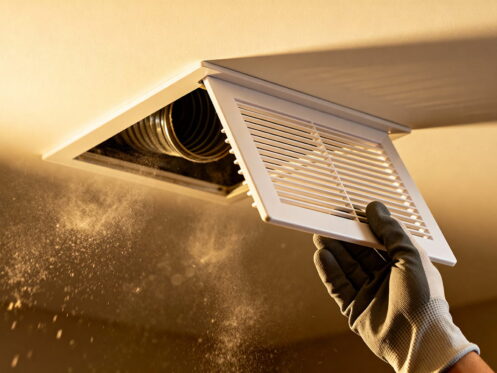
Good internal air quality helps you protect your home and family. Clean air can help reduce household health concerns and support better HVAC efficiency to keep your AC running well or lower your heating bills. Find out how you can test your home’s air quality and what you can do to enhance it below.
Why Invest in Air Quality Testing?
Pets, children running in and out and even cleaning products can leave you with indoor air pollutants, including:
- Mildew
- Pet dander
- Dust
- Fumes from household products and furniture
In some cases, heating systems and other appliances may emit carbon monoxide and other gases into your rooms, and naturally occurring radon can collect in the air when homes aren’t well vented.
The symptoms of poor indoor air quality — and its impact on the human body — typically show up once the problem is already at a concerning level. A home air quality test helps you get ahead of potential issues or provides you with peace of mind that the air in your home is clear of these concerns.
How to Test Air Quality in Your Home
You can test for specific air quality issues in your home or get a comprehensive professional inspection.
Air Quality Monitors
Home air quality monitors are devices that measure specific contaminants in the air in your home or rooms. One of the simplest examples is the carbon monoxide detector. These devices work similarly to smoke detectors, sounding an alarm when carbon monoxide in a room reaches a concerning level.
You can also invest in more comprehensive devices that gather data about humidity, temperature, carbon monoxide and fumes. Often, these monitors provide real-time data you can access via smartphone apps, letting you track trends in home air quality. Such data might be important if you want to:
- Pinpoint a certain area in your home with potentially poor air quality
- See how air quality changes when you move different items into a space, add plants or use certain appliances
- Track air quality changes through different seasons
Home Air Quality Test Options
Air quality tests usually refer to kits that help you test for a specific concern. For example, radon tests help you capture radon that may be in your indoor air. You usually send the resulting samples to a lab and receive an analysis back.
Mold test kits help you evaluate how many mold spores are present in your air, and you can get badges to measure each person’s exposure to volatile organic compounds (VOCs). VOCs are fumes emitted by paint, household chemicals and some upholstered furniture.
Professional Air Quality Inspections
Indoor air quality experts can conduct more comprehensive inspections to help you understand:
- Potential air quality issues in your home
- How air quality is impacting energy efficiency for your HVAC system
- Whether measures like air duct cleaning, air purifier installation or other options can improve air quality
Tips for Enhancing Air Quality in Your Home
Take control of indoor air quality by:
- Limiting chemical use and smoking inside
- Maintaining your furnace, air conditioner and ductwork to ensure efficient operation, including changing or cleaning filters regularly
- Using exhaust fans and venting to move dirty air outside of the house
- Cleaning regularly and washing dust catchers like bedding and curtains