 St. Louis, MO &
  View Discounts
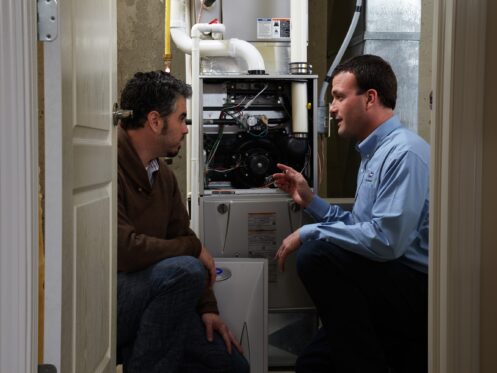
When your furnace is running and the air coming out feels cold, it can be confusing, especially if the thermostat is set to heat. Sometimes what you are feeling is normal at the start of a cycle, yet a steady stream of cool air can also point to airflow problems, ignition trouble, or safety shutdowns that stop the burners while the blower keeps running. At Anton's Plumbing, Heating/Cooling & Energy Experts, our heating professionals see this a lot during winter swings, when systems cycle more often, and small issues show up under pressure. In this guide, we explain what causes this problem and what you can do to restore heat to your home.
First, Decide If It’s “Startup Air” or a Full Cycle With No Heat
Some cool air at the start of a heating cycle can be normal. Your blower may start before the burners fully heat the heat exchanger, especially on systems designed to protect parts from overheating. That brief cool push should change to warm air within a couple of minutes once the burners stay lit and the system settles into the cycle. The problem starts when the air never turns warm or turns warm for a moment and then goes cool again while the blower keeps running. You might notice the thermostat keeps calling for heat, yet the house keeps getting colder. You might also notice the furnace sounds like it’s starting more than once, with a pause between attempts.
This “runs but feels cold” pattern often points to heat production stopping while the fan continues, or to it never starting at all. A technician can narrow that down quickly by checking whether the burners stay on, whether the furnace is locking out and retrying, and whether a safety control is shutting the burners down mid-cycle.
Ignition Problems Can Stop Heat While the Blower Keeps Going
If the furnace starts a cycle but fails to light reliably, you can end up with a blower pushing room temperature air while the furnace tries again. You may hear a click, a short whoosh, or a brief rumble, and then the heat disappears. Some systems will attempt ignition several times before they stop trying for safety. During those attempts, the blower may still run, which makes it feel like the furnace is working even though the burners aren’t staying on.
A dirty flame sensor is one common cause, yet ignition issues can also come from a worn igniter, gas supply problems, or a burner that isn’t lighting evenly. This isn’t a situation where you want to experiment. Combustion equipment has safety controls for a reason, and repeated failed lighting attempts can point to a condition that needs professional testing. An HVAC technician can verify the ignition sequence, check flame signal strength, inspect burners for proper lighting, and confirm the system is venting correctly. Once ignition is stable, the “cold air” complaint often disappears because the blower finally has real heat to move.
Overheating & High Limit Trips Can Create Warm-Then-Cold Cycles
Another common pattern is warm air for a short stretch, then cool air, even though the thermostat still calls for heat. That can happen when the furnace overheats, and a high-limit switch shuts the burners off to protect the unit.
The blower often keeps running to cool the heat exchanger, so you feel a transition from warm supply air to cooler air. Then, after the furnace cools, it may try to fire again. This can look like the furnace can’t keep up, yet the real issue is that it cannot move enough air across the heat exchanger to stay within safe operating range.
Restricted airflow is often the culprit here. A loaded filter, a dirty blower wheel, closed supply registers, return restrictions, or duct problems can all reduce airflow. The furnace produces heat, but it can’t shed that heat safely, so it shuts the burners down. To fix this problem, first try replacing your air filter. If that does not work, a professional can measure static pressure, inspect the airside components, and confirm the furnace is not cycling on limit. Fixing the airflow side with furnace repairs is often what turns a frustrating warm-then-cool pattern into a steady heating cycle.
Duct Leakage & Return Problems Can Make Heated Air Disappear
Sometimes the furnace is heating, yet the rooms still feel like the air is cool. Duct issues can cause that mismatch. If supply ducts leak into unconditioned spaces, some of the warm air never reaches the rooms. If return ducts leak, the system can pull colder air from a basement, attic, or crawlspace and mix it into the airflow. That blended air can feel cooler at the registers, even while the furnace runs normally. You might notice certain rooms get decent warmth while others stay stubbornly chilly, which often hints at duct routing, leakage, or balance issues.
Return problems can also make a house feel drafty when the blower runs. A starved return can pull air aggressively from gaps under doors, around recessed lights, or through small leaks in the building envelope. That can create comfort complaints that feel like the furnace is “blowing cold,” when the real issue is pressure and air movement in the home. To solve this issue, have your ducts repaired and consider duct sealing to prevent the issue from returning.
High-Efficiency Furnaces Can Shut Heat Down for Drain or Vent Reasons
Condensing furnaces produce water as part of normal operation. That water has to drain properly through a condensate trap and line. If the drain backs up, a safety switch may shut the furnace down to prevent overflow or damage. When that happens, you can get blower operation without steady heat, or you can get short heating runs followed by cooler air circulation. Venting also matters. If the intake or exhaust system has a blockage, poor pitch, or a connection issue, the furnace may shut down to protect safe operation. On a cold day, these issues can appear suddenly because demand is higher and the unit runs longer.
These are not homeowner troubleshooting items. The drain system, pressure switches, and venting components need correct testing and inspection. A technician can check the condensate path, confirm the trap is functioning, inspect intake and exhaust piping, and verify that safety switches are doing their job without nuisance trips. When the furnace can drain and vent correctly, it can run a full heating cycle without dropping into a no-heat condition.
Get Warm Air Back Without Trial & Error
Cold air from a running furnace is a sign to get the system checked before you end up with a full shutdown. A professional from Anton's Plumbing, Heating/Cooling & Energy Experts can test ignition, verify safe combustion, confirm airflow and blower performance, and pinpoint controls or sensors that are interrupting heat. We also help with seasonal furnace tune-ups, safety inspections, thermostat troubleshooting, airflow and duct evaluations, and indoor air quality support that can make winter comfort steadier.
Book a furnace diagnostic service with Anton's Plumbing, Heating/Cooling & Energy Experts in St. Louis today, and get your heat back on track.