 St. Louis, MO &
  View Discounts
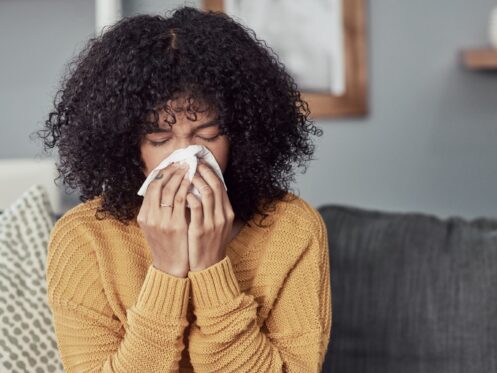
As the leaves change and temperatures fall, allergy season arrives as well. Pollen and dust in your home can cause you and your family discomfort and make it difficult to breathe. Improving the air quality indoors can help create a healthier living environment for your family. By taking proactive steps, you can enjoy fall without sacrificing comfort.
Identify Indoor Allergens
Indoor allergens often come from dust, pet dander, and leftover pollen that enters your home. Using a high-quality filter in your heating and cooling system and keeping a clean living space helps minimize exposure. Recognizing the sources of allergens allows you to address them effectively before symptoms worsen.
Monitor Your Symptoms
Keeping track of when and where your allergy symptoms occur can reveal indoor air quality issues. If symptoms worsen in the bedroom, that may indicate dust mites in bedding or insufficient filtration in your HVAC system.
Upgrade or Replace Your Air Filters
Your HVAC system plays a central role in controlling indoor allergens, but it can only perform effectively if the filters are in good condition. Clean, high-quality filters trap particles before they circulate, improving air quality and system efficiency.
Choose the Right Filter
Select an air filter with a high MERV rating suitable for your system. Filters with higher ratings capture smaller particles, including pollen, mold spores, and pet dander. However, always make sure your HVAC system can handle the increased airflow restriction that comes with higher-rated filters.
Replace Filters Regularly
Change your air filters every 2 to 3 months to make sure that your system continues to trap allergens efficiently. In the fall, when dust and pollen levels can spike, more frequent changes may be necessary to maintain optimal indoor air quality.
Schedule Professional HVAC Maintenance
Even with high-quality filters, your heating and cooling system needs regular professional maintenance for optimal operation. We can catch issues and fine-tune your system for cleaner air and better airflow.
Clean Coils and Ducts
Dirt will accumulate on coils and inside ducts, reducing airflow and allowing allergens to circulate. Professional maintenance sessions include cleaning these components to improve efficiency and enhance air quality.
Check for System Leaks
Leaky ducts or improperly sealed components allow dust and allergens to bypass filters and enter living spaces. We can find and seal leaks to ensure that your system performs as it should.
Control Indoor Humidity
Maintaining proper humidity in your living space will significantly reduce allergens. Even in the dry fall months, fluctuations in indoor moisture can create problems.
Use a Humidifier or Dehumidifier
Adding a humidifier can help during particularly dry days, while a dehumidifier prevents excess moisture from encouraging mold growth. When you keep the humidity between 30% and 50% in your home, it also reduces allergens.
Monitor Moisture-Prone Areas
Basements, bathrooms, and kitchens often have higher humidity levels. Check these areas regularly and use ventilation or dehumidification to prevent mold spores from taking hold.
Keep Your Home Clean
Regular cleaning is vital for minimizing allergens in your home. Dust, pollen, and pet dander can get on surfaces and in hidden corners, exacerbating allergy symptoms.
Vacuum Frequently
Make sure to use a vacuum that has a HEPA filter to remove dust from your carpets and upholstery. This prevents the particles from recirculating through your home.
Dust and Wipe Surfaces
Dusting with a microfiber cloth reduces allergen buildup in your living space. Make sure to pay attention to high-touch and hard-to-reach areas, like ceiling fans, blinds, and shelves.
Minimize Entry of Outdoor Allergens
Allergens from outside can easily infiltrate your home, making indoor air quality worse. Taking preventative measures at entry points keeps pollen and other irritants from circulating indoors.
Keep Windows and Doors Closed
During high pollen days, keeping windows and doors closed prevents allergens from entering your home. This step can make a big difference in reducing indoor exposure.
Use Doormats and Remove Shoes
Placing doormats at entrances and removing shoes will help to limit the amount of pollen and dirt brought into your home. This habit helps to reduce allergy triggers in your living space.
Use Air Purifiers Strategically
Air purifiers can also help enhance indoor air quality when used correctly. Make sure to select the right units and position them properly so that they capture the most allergens.
Choose HEPA Air Purifiers
HEPA purifiers will capture small particles from the air. Place the purifiers in a bedroom or near the main living space for the best results.
Maintain and Replace Filters
Regular heater and AC maintenance helps to ensure that air purifiers operate correctly. Replace or clean filters to prevent reduced performance and recirculation of allergens.
Wash Bedding and Fabrics Frequently
Textiles in your home, from bedding to curtains, can harbor allergens. Regular washing removes accumulated dust and pollen that might otherwise affect your respiratory health.
Use Hot Water
Washing your bedding and your pillowcases in hot water that is at least 130°F kills dust mites and removes allergens effectively. Do this at least once a week during allergy season.
Don’t Forget Curtains and Upholstery
Over time, curtains and other fabrics will collect dust. You will need to wash or vacuum these items regularly to help reduce allergens in your home.
Consider Window Treatments
Window coverings will be able to trap allergens as well. Choosing the right materials and maintaining them will help minimize irritants.
Opt for Easy-to-Clean Materials
Wipe down or wash blinds and shades to help keep allergen levels low. Avoid using heavy drapes that accumulate dust easily and are difficult to clean.
Clean Regularly
Even easy-to-clean window treatments require occasional vacuuming. This prevents buildup and helps maintain better air quality in your home.
Limit Indoor Pollutants
Indoor pollutants like smoke and chemicals can make allergy symptoms worse. By reducing these irritants, you can enhance the comfort of your family.
Avoid Smoking Indoors
Tobacco smoke contains a number of irritants and allergens. Keeping smoking outside of your home will eliminate this source of indoor pollution.
Reduce Harsh Chemicals
Household cleaners, air fresheners, and paints can release volatile organic compounds (VOCs) into your home. Use low-VOC products and ventilate areas properly during use.
Monitor and Address Mold Issues
Moisture leads to mold growth in your home. Early detection is essential if you are trying to keep a safe indoor environment for your family.
Inspect Moisture-Prone Areas
Check basements and bathrooms regularly for water leaks or dampness. Mold will thrive in moist conditions, so catching problems early prevents large issues.
Remove Mold Safely
You can clean small patches of mold, but larger issues may require professional help to get rid of the mold. Acting promptly protects your home and the health of your family.
Plan Seasonal HVAC Upgrades
Upgrading your system can help to improve air quality and energy efficiency. Modern systems offer better filtration and airflow, which reduces allergens.
Invest in Advanced Filtration
High-efficiency filters or HEPA-compatible HVAC systems that can capture small particles which will significantly improve indoor air quality.
Schedule Pre-Season Maintenance
Before allergy season starts, make sure that you schedule an inspection with our team to make sure your system operates efficiently and circulates clean air.
Contact Anton's Plumbing, Heating/Cooling & Energy Experts today
Fall allergy season in St. Louis does not have to mean constant sneezing and discomfort. You will be able to improve the air quality in your home by simply following these tips. Small changes like those we listed can make a big difference in reducing allergens and keeping your living space comfortable. Call us at Anton's Plumbing, Heating/Cooling & Energy Experts today for a professional HVAC inspection this fall.